









How to compare poker sites in the UK
Choosing an online poker room is about more than the headline bonus. A promotion may look generous but be difficult to clear, while a room with no prominent offer may suit your preferred games, stakes or schedule better. Use this guide to make a like-for-like comparison, check what you can verify and avoid treating poker as a way to make money.
Start with games, stakes and player traffic
First check whether a room actually runs the format you want. Texas Hold’em and Omaha are common, but game variants, tournament structures and table features differ. Cash games, Sit & Go events, scheduled multi-table tournaments and fast-fold formats each have a different pace. Look at the stake levels and buy-ins listed in the lobby, not just a marketing page describing a large event.
Traffic matters because it affects the choice of tables and how long it may take to find a seat. A room can be busy during a major tournament and quieter at other times. If you generally play at a particular hour, check the lobby then. A useful comparison asks whether your normal game and budget are available at the times you play; a headline player count alone tells you little about your preferred stake.
Read a welcome bonus as a set of conditions
A poker bonus is not automatically cash. Before opting in, identify the exact promotion's eligibility rules, minimum qualifying deposit if any, opt-in deadline, maximum award, release schedule, expiry date and the activity needed to release it. Check whether fees or tournament entries count, which games are excluded, whether winnings from bonus funds can be withdrawn, and whether the promotion is limited to new customers. If a term is unclear, ask the operator before depositing.
Do not assume a casino, sportsbook or international promotion applies to a UK poker account. Promotions can be tailored by country, account history and channel. We flag unclear details when an official operator source does not provide consistent information about a poker-specific claim. That is a cue to inspect the offer page and linked rules yourself, not an invitation to infer the missing details. A bonus should never be the reason to play beyond a budget.
Compare fees, cash-outs and account rules
Understand the costs of play. Poker rooms may charge rake on cash-game pots or a fee for tournament entry; the amount and calculation can differ by game and stake. Look for the operator's published rake information, tournament lobby fee breakdown and any rewards or loyalty conditions. A rewards scheme is only useful if its rules are clear and the play required fits your normal activity.
Before you deposit, review accepted payment methods, minimums, withdrawal processing, verification checks and any account fees. The cashier and terms should explain how identity checks work and what documents may be requested. Check whether the same payment route must be used for withdrawals. These practical details are more useful than an unqualified “fast payouts” claim because processing times can depend on method, verification and bank providers.
Check the operator, not just the brand
A familiar logo is not enough to establish who provides a service. Read the legal terms to identify the operating company and the domain you are using, then search the UK Gambling Commission's public register for that company and website. The register is the authoritative place to verify current Great Britain gambling permissions; an affiliate listing, old licence badge or a licence in another country is not a substitute. Recheck the information if the operator or domain changes.
Review customer support routes, account security, privacy information and the tools available to manage play. Look for deposit limits, reality checks, time-outs and self-exclusion, and understand how to activate them. If a support route is hard to find before registration, that is worth factoring into your decision. No review can guarantee a trouble-free experience, and platform features can change.
Assess software and mobile usability for yourself
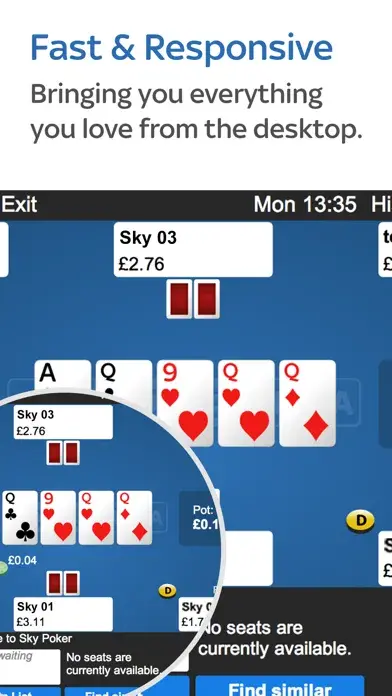
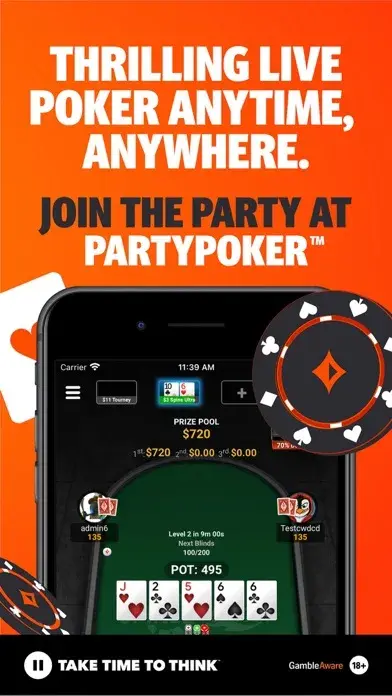
If possible, explore a free-play or non-deposit mode before committing funds. Test whether the lobby is readable, tables are easy to navigate, connection recovery is sensible and settings support your needs. Check accessibility options such as text size, contrast and keyboard navigation. Mobile usability should include the cashier, account controls and responsible gambling tools, not only the game screen. Do not download software from unofficial mirrors or follow links in unsolicited messages.
For home games or social play, examine the room's private-table functions, invitation controls and rules. For tournament players, compare schedules, starting stacks, late registration and rebuy or knockout structures. For cash-game players, check table availability, stakes, rake and seating options. Your own use case gives a more honest fit than a generic “best for everyone” label.
How our comparison works
This page is a shortlist, not a live data feed. Each of the 12 listed poker rooms shows its significant offer conditions underneath. We favour a sourced comparison over a longer list padded with unchecked brands. PokerStars on Betfair is listed once because PokerStars has moved its UK service to Betfair. Confirming a poker product does not guarantee every customer qualifies for its welcome offer; eligibility and current terms still need checking before registration.
Our offer-clarity rating scores each offer out of five: one point each for published eligibility, qualifying requirements, headline value or cap, release or expiry rules, and consistent, directly readable current terms. It does not measure gameplay, traffic, support or customer satisfaction, and we have no customer review data. We say plainly when something is unclear, as with the conflicting NetBet caps, and leave an offer unrated where no current welcome value is verified. The order of the sites is editorial and can change. We may receive a commission from some links, which does not affect your price or a label. Compare the full terms independently, because offers can change after the review date.
Keep poker within safe limits
Poker is gambling and carries a risk of losing money. Skill does not remove variance, and no strategy, promotion or operator can guarantee a profit. Only play if you are 18 or older, set a spending limit before you begin and never borrow, chase losses or use money needed for bills. Take breaks, keep gambling separate from financial goals and stop if play is affecting your mood, relationships or finances. If you are worried, use the operator's limits or self-exclusion tools and seek free confidential support.